
Scientist of the Month
August 2025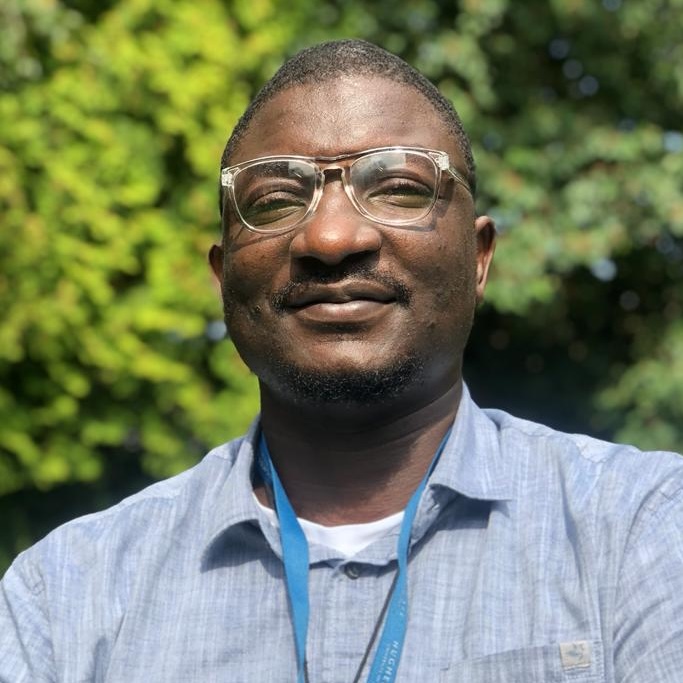
I am a developmental cognitive psychologist currently based at Harvard University, where I lead research on executive functions and early learning in low- and middle-income contexts.
Executive functions are mental skills like working memory, flexible thinking, and self-control. These skills help us maintain other important abilities, such as planning. Planning, in turn, plays a key role in learning.
My journey into this work began with a desire to make cognitive science more responsive to real-world challenges faced by children and families in low-income contexts. I am passionate about designing culturally grounded tools that reflect how children grow, learn, and adapt in everyday life. Outside of work, I enjoy reading autobiographies and discussing the adaptive nature of everything.
Description of his work
My current work includes:
- Developing and validating real-life scenario-based tools to measure executive function in preschool children across low- and middle-income countries.
- Conducting a meta-analysis on executive function and academic outcomes in low- and middle-income countries (LMICs). This work is part of a larger effort to guide global education policy.
- Collaborating with ministries, researchers, and community organizations to support changes in early childhood care and education (ECCE) systems. This work involves participatory research and strengthening skills and resources.
- Leading the My Pikin project, which aims to reform early childhood education systems in low-income countries by collaboratively designing culturally relevant tools for assessment, curriculum, and teacher training.
Key Findings
- Cognitive ability is universal, but how it is used is adaptive to a child’s environment. My research highlights how children in low-resource settings develop and apply cognitive skills in everyday life—insights that have shaped my work in designing culturally grounded, context-sensitive tools for early learning.


 English
  Spanish
  French